Skip to content
MONTEVORO

Design & Craftsmanship

From cathedral to caseback

Each MONTEVORO design starts in a real Italian building and ends at the watchmaker's bench, after months of drawing, engineering and refinement.

The inspirations

Three buildings, three watches

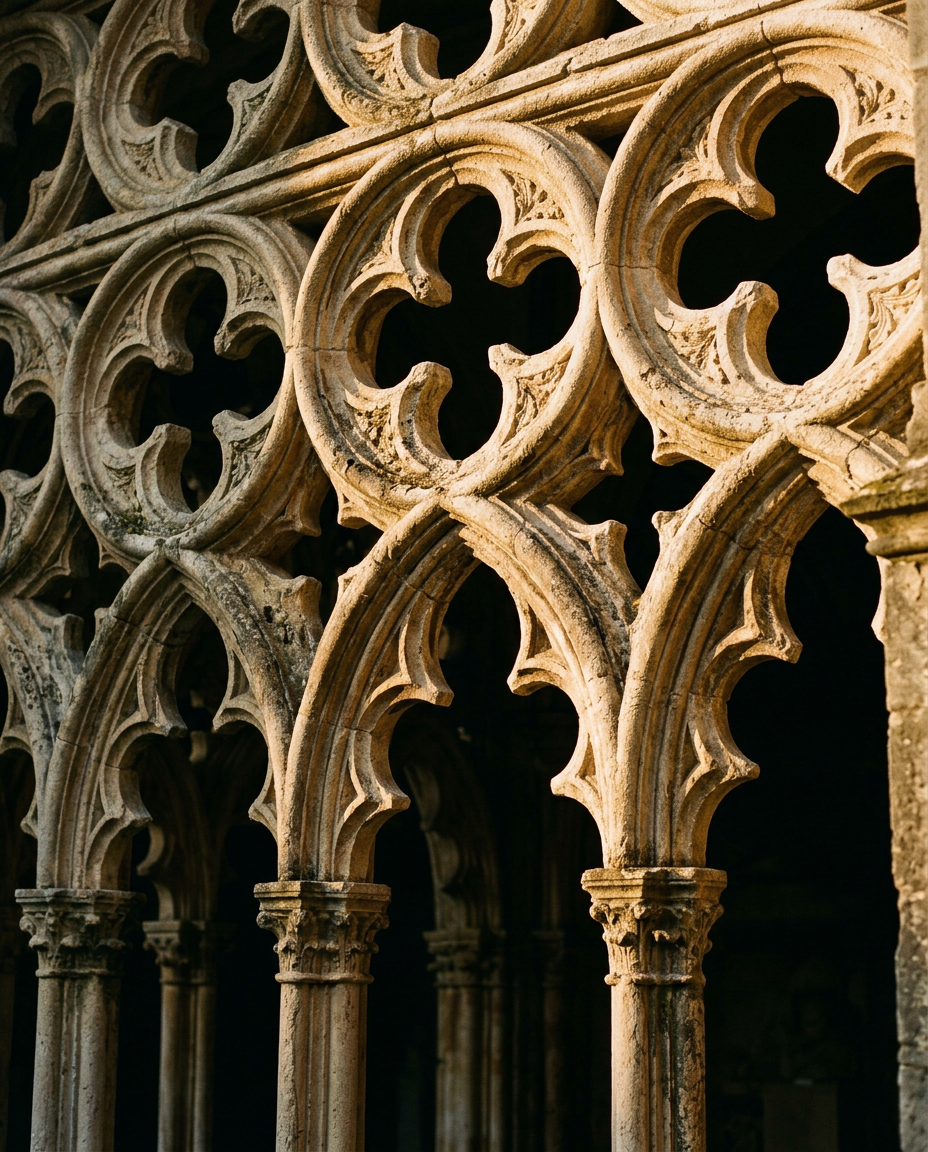
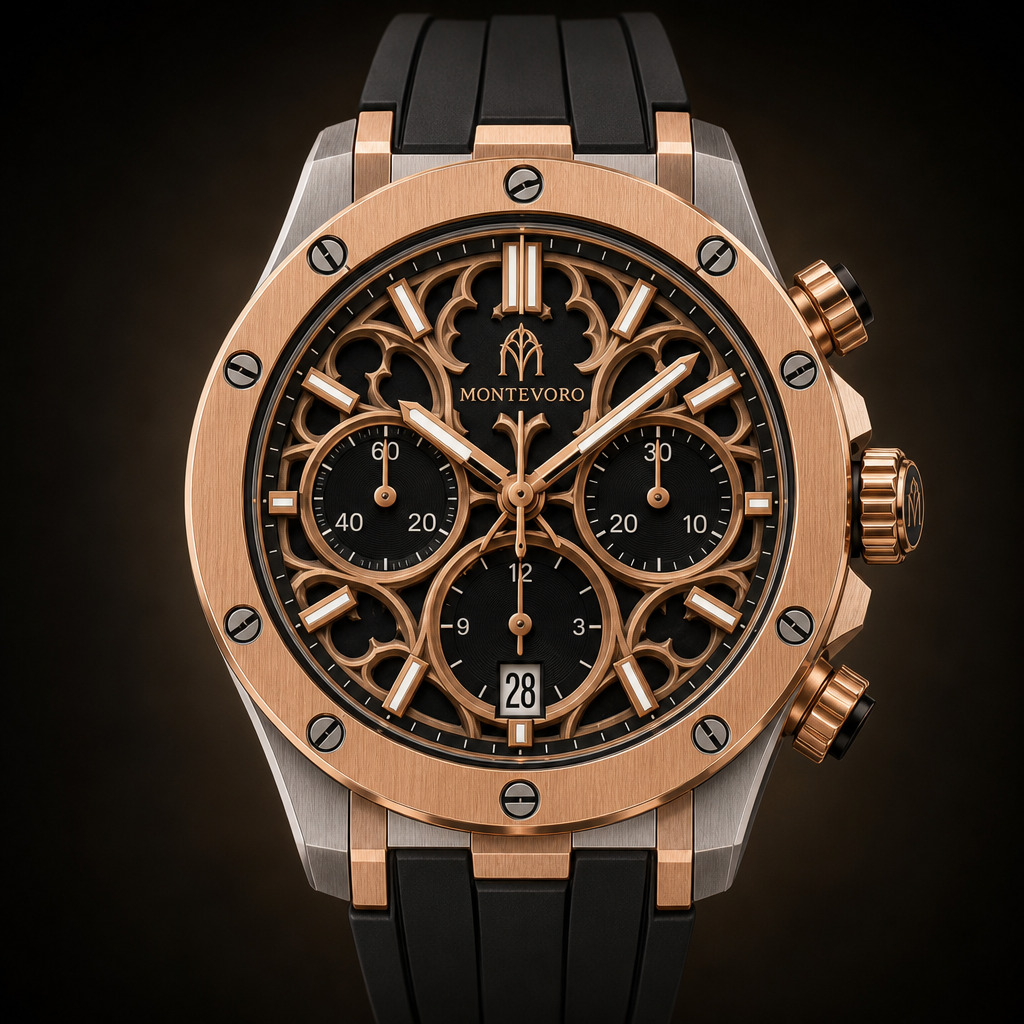
Architecture that inspired the CattedraleThe Cattedrale timepiece

Duomo di Firenze · Gothic rose windows · stone tracery

Cattedrale

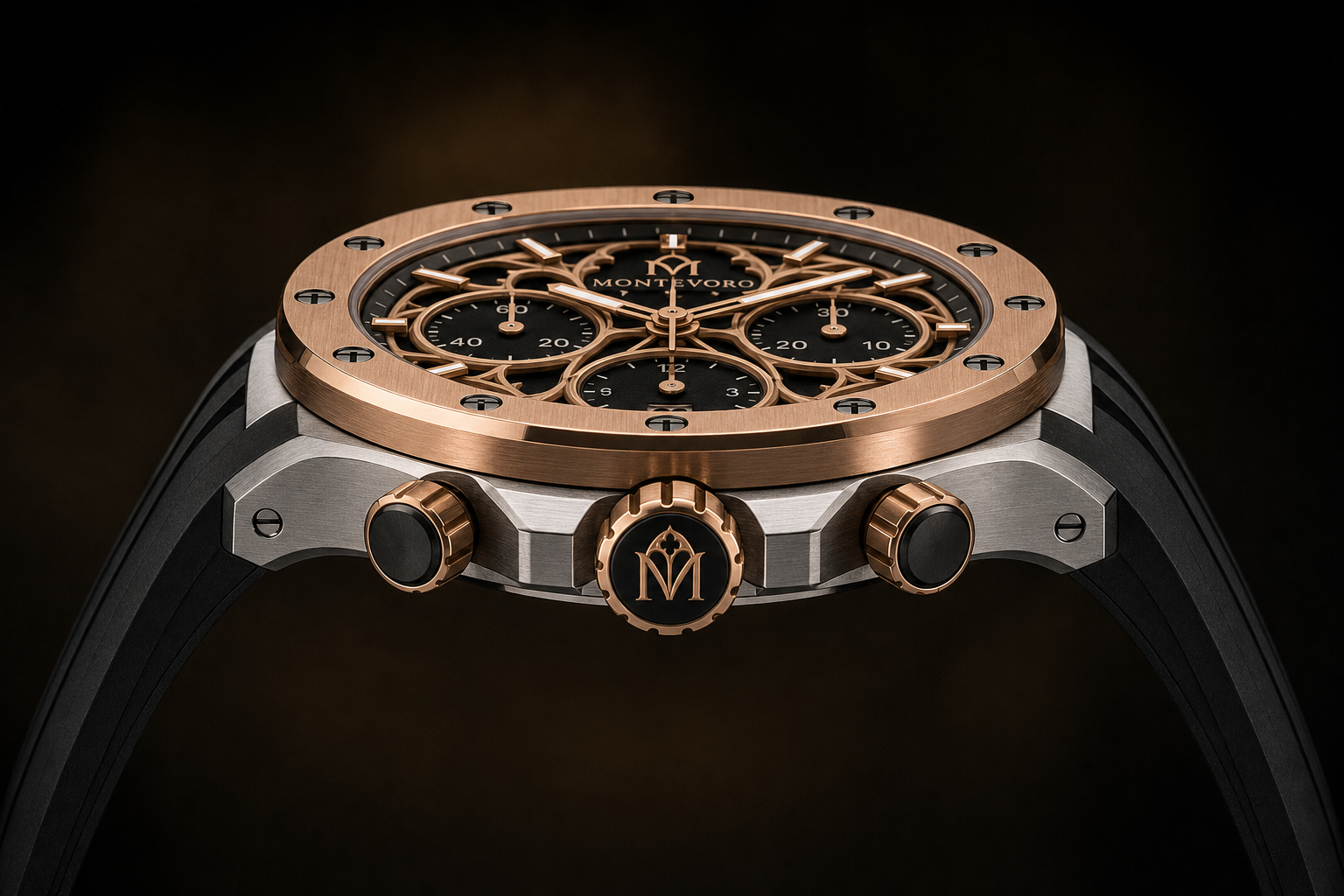
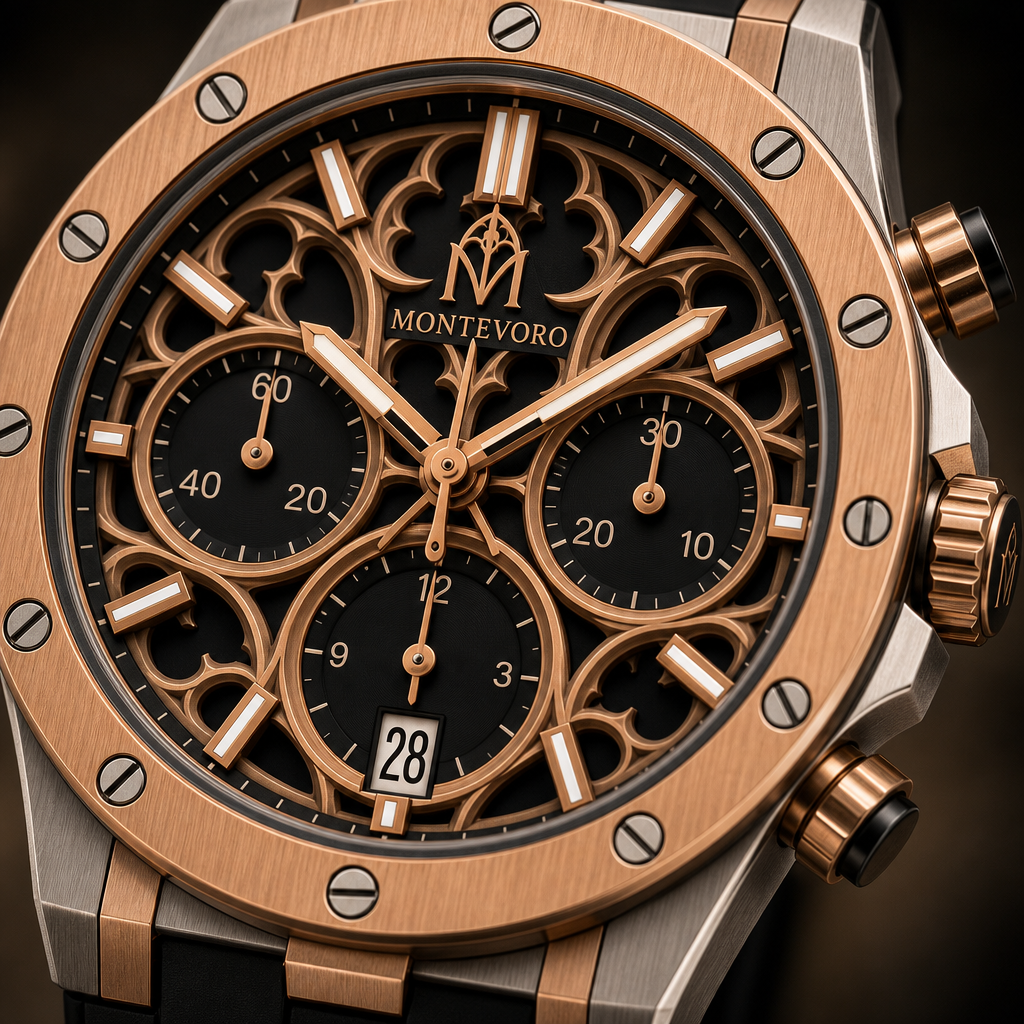
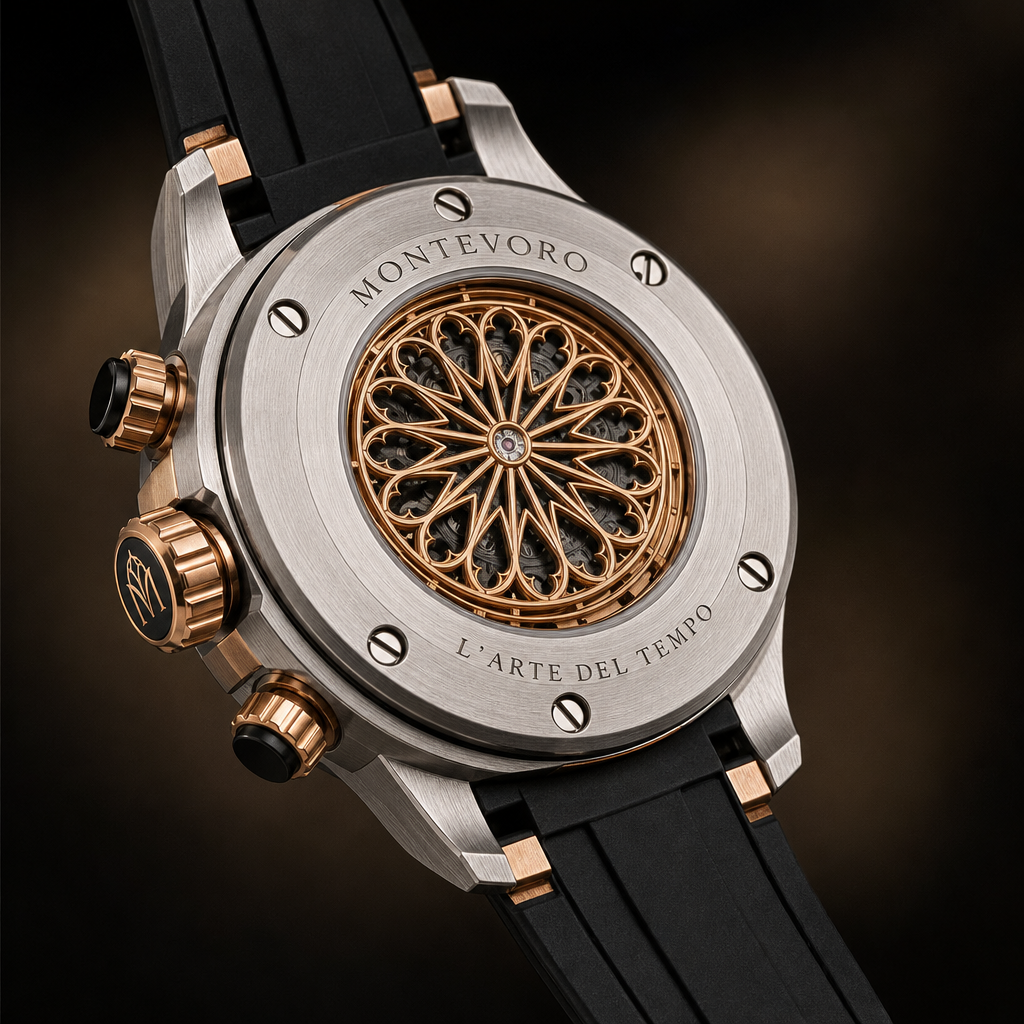
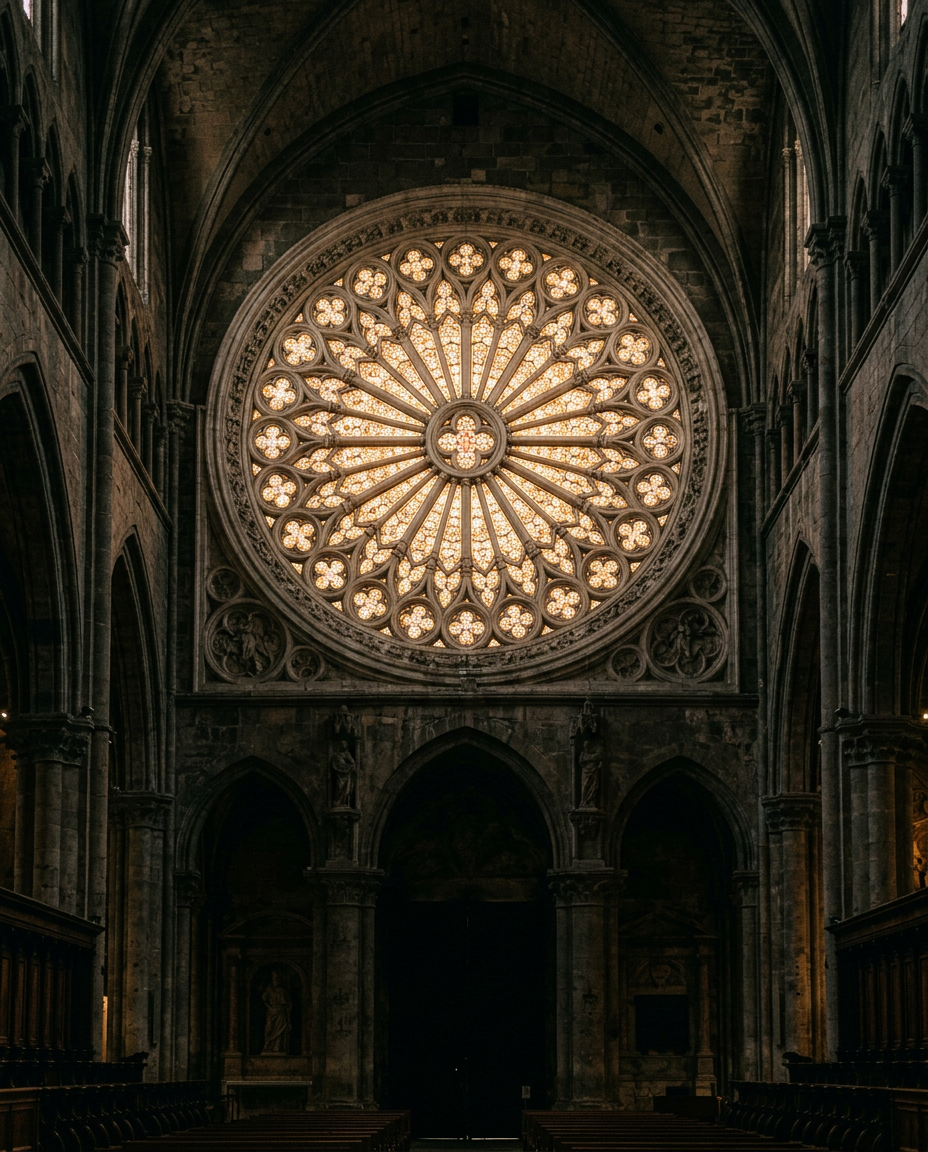
The Gothic cathedrals of Italy carry their weight in pointed arches and stone tracery, and their rose windows split light into geometry. On the Cattedrale, that tracery is cut into the dial, the subdials sit in it like windows, and the caseback opens onto a rose window.
Architecture that inspired the FortezzaThe Fortezza timepiece

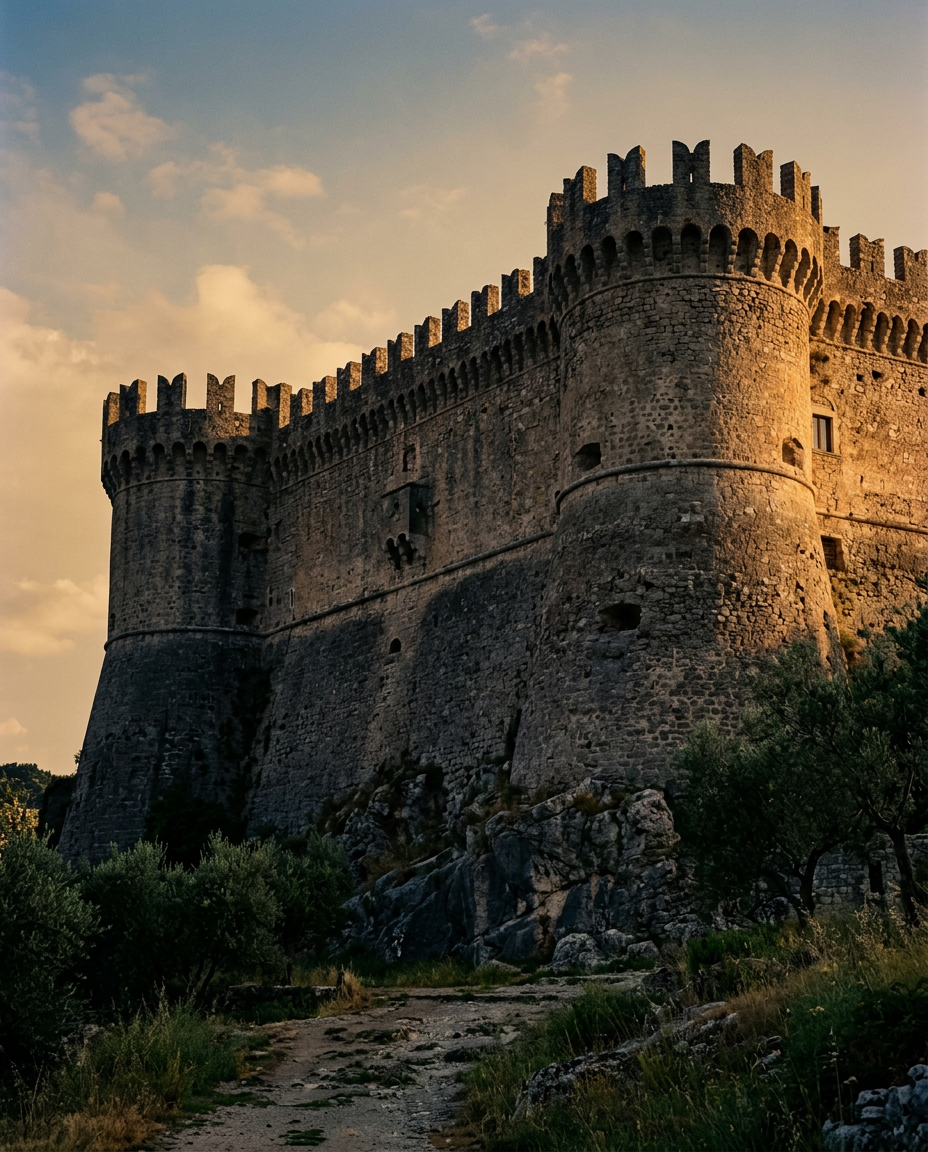
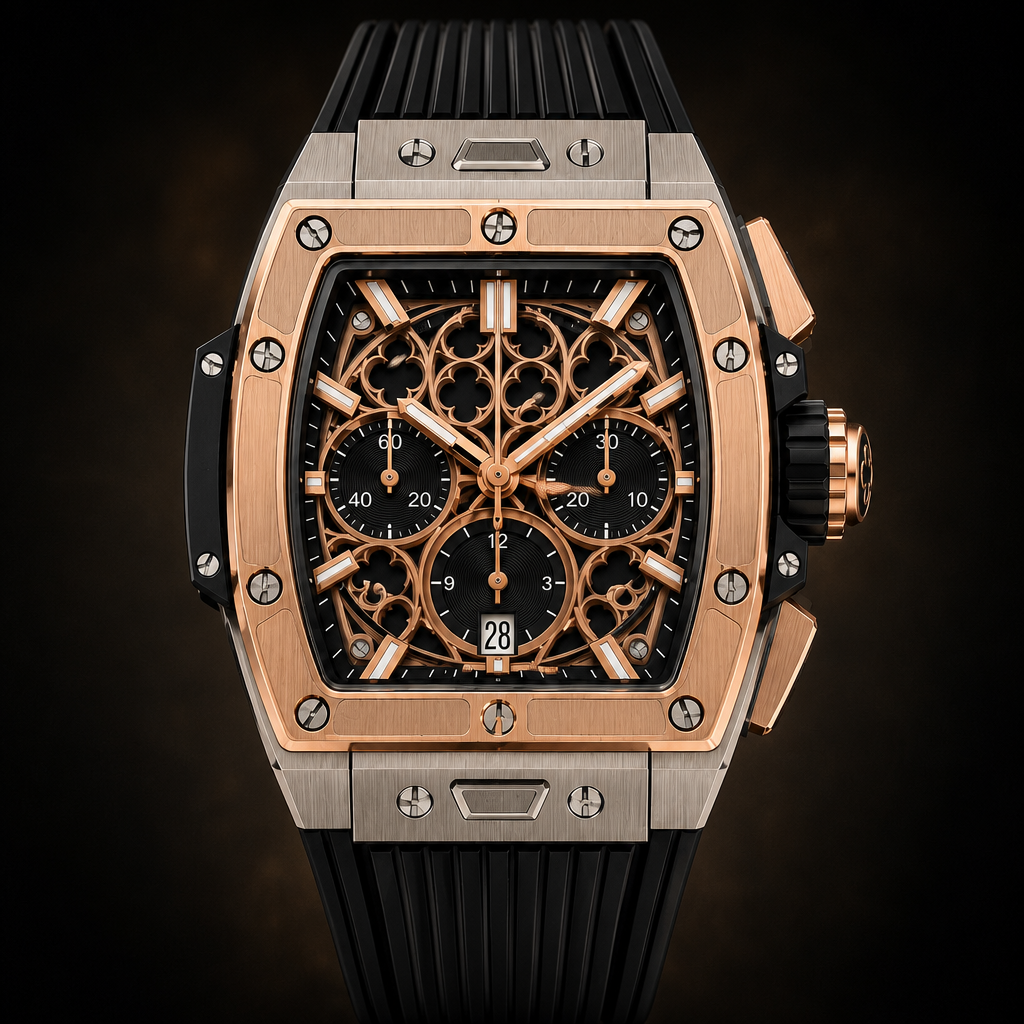
Tuscan fortresses · bastions · structural geometry

Fortezza

Tuscan fortresses were built to hold their ground, with angled bastions, thick walls and nothing that does not bear load. The Fortezza takes its tonneau case, sloped flanks and screwed bezel from those walls.

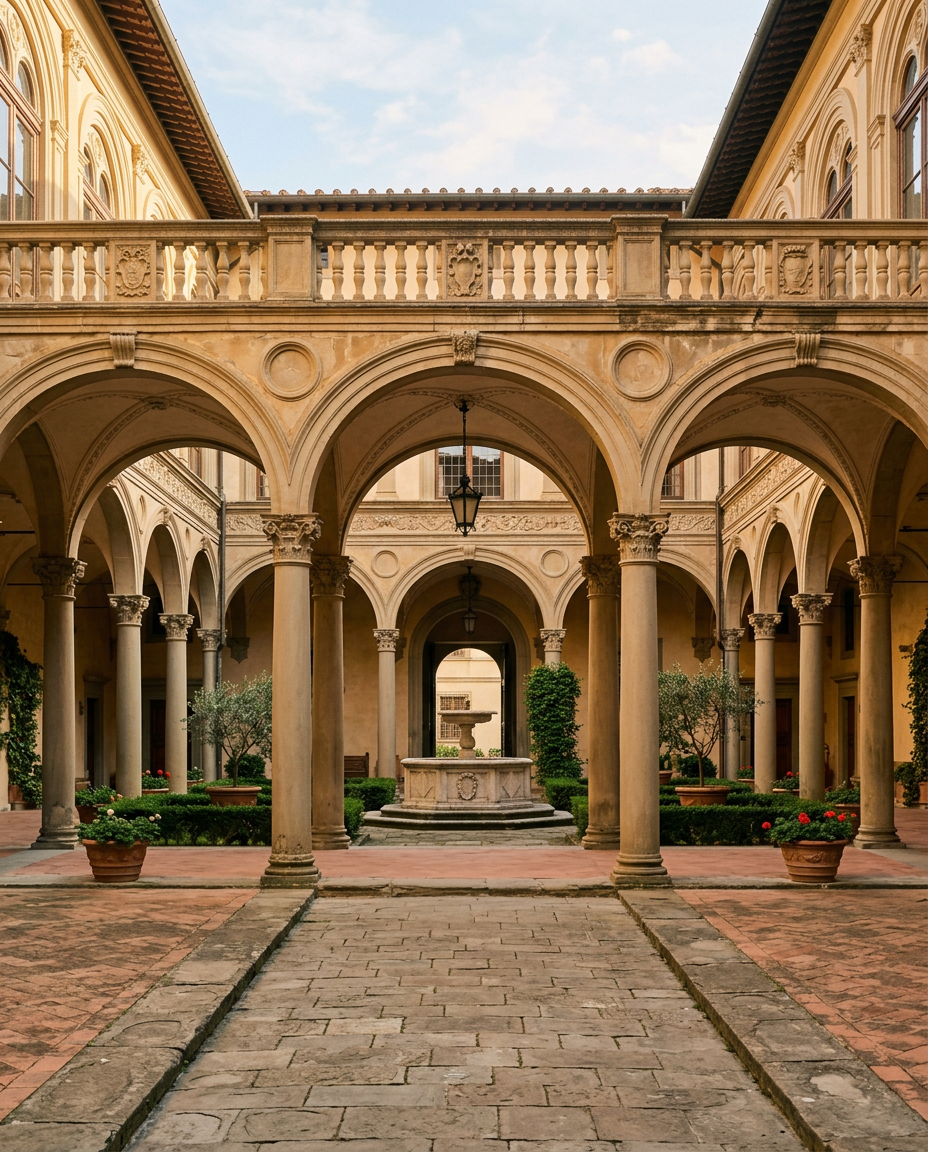
Architecture that inspired the PalazzoThe Palazzo timepiece

Renaissance palazzi · rusticated façades · loggias

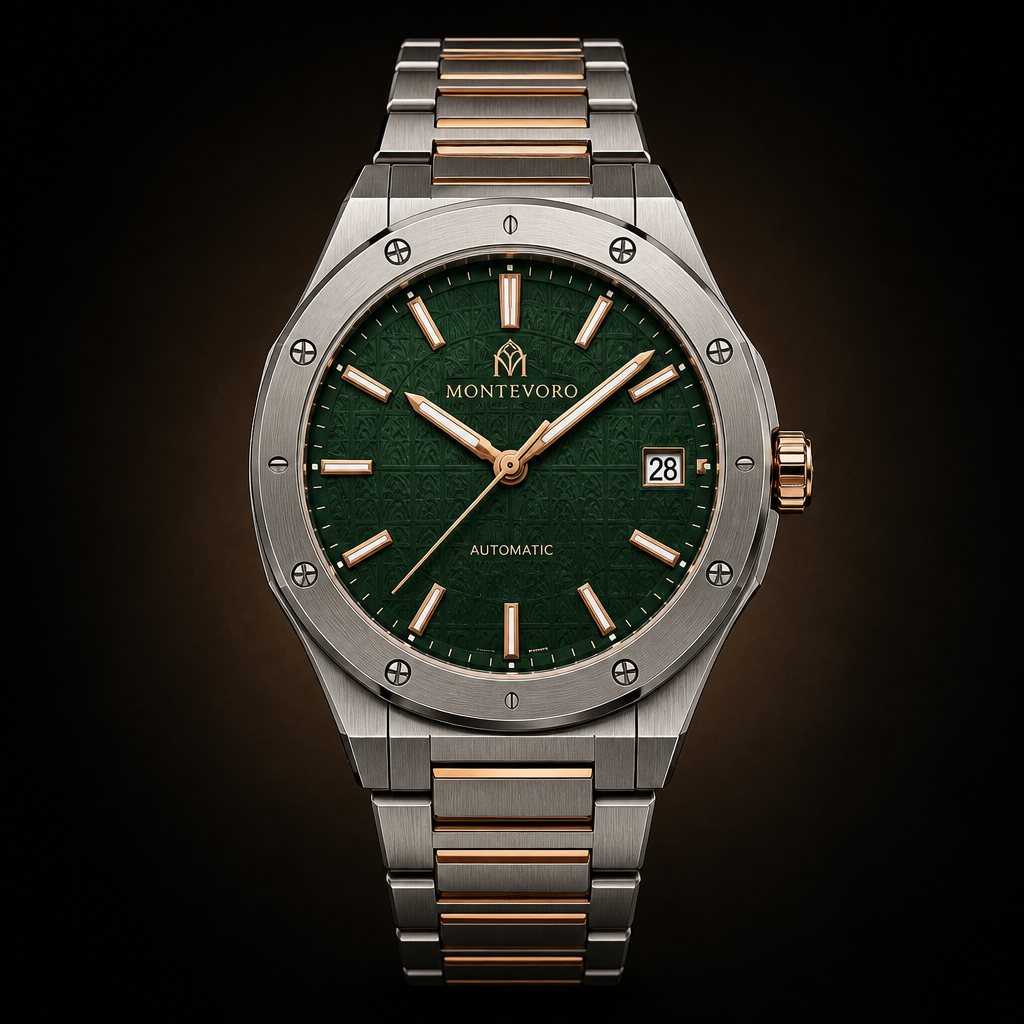
Palazzo

Renaissance palazzi depend on proportion: rusticated stone at street level, measured rows of windows above, and a loggia in shadow. The Palazzo carries that restraint into an integrated case, with a textured dial and evenly spaced indices.

The engineering

How a design is made

  1. Stage 1

    Architectural study

    Each design starts on site. We photograph and measure the building, study its arches, walls and openings, and note how light moves across the stone through the day.

  2. Stage 2

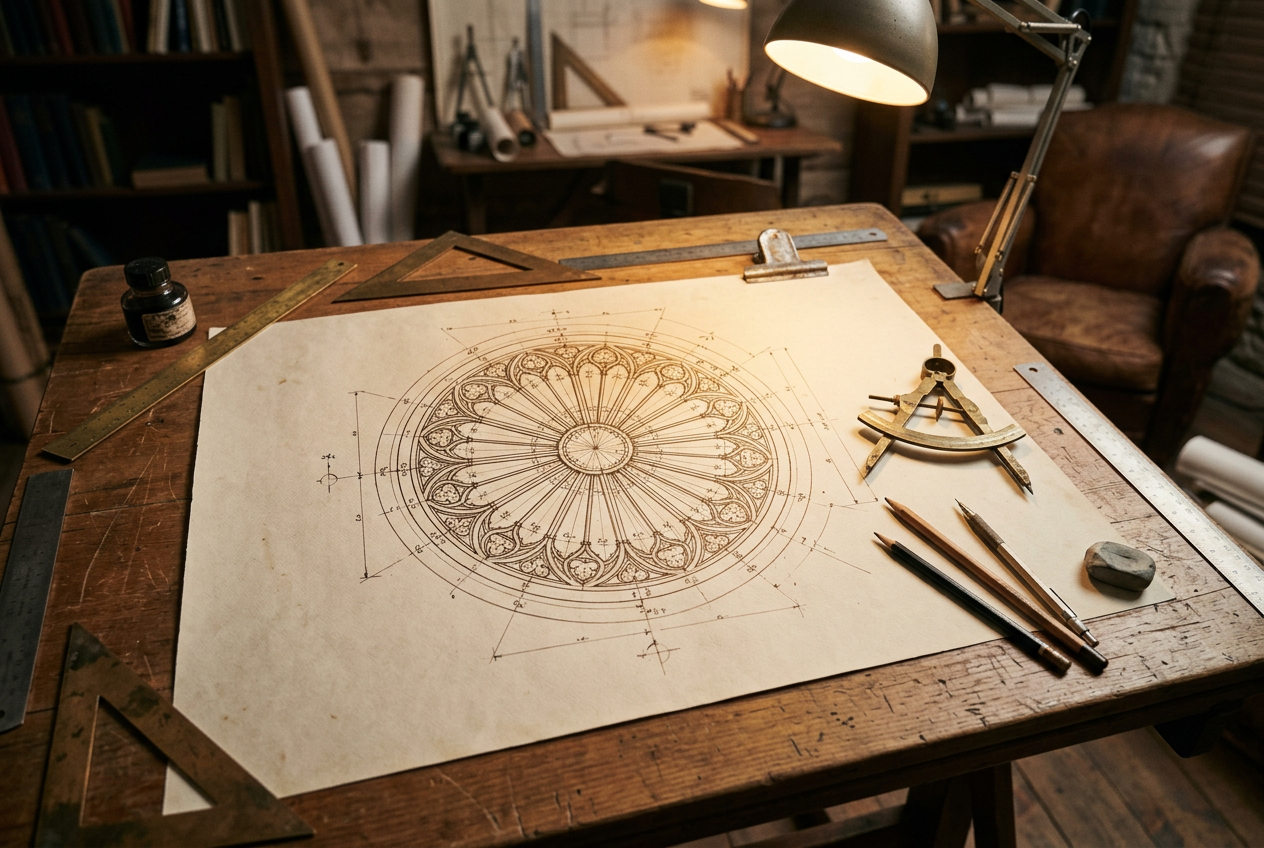
    Hand sketching

    Proportions are drawn by hand before anything is modelled: arch radii, the ratio of case to dial, and where each index and subdial falls. Most sketches are discarded. The ones we keep set the geometry.

  3. Stage 3

    CAD & tolerances

    Case, dial layers, hands and caseback are modelled together, so the raised tracery clears the hands, the subdials line up with the movement, and every bezel screw sits on its exact radius.

  4. Stage 4

    Prototyping & wear testing

    Prototypes are machined, assembled, then worn and revised. We check legibility in low light, how the case sits on the wrist, and how the crown and pushers feel. A design is approved only when the prototype is right.

  5. Stage 5

    Hand finishing

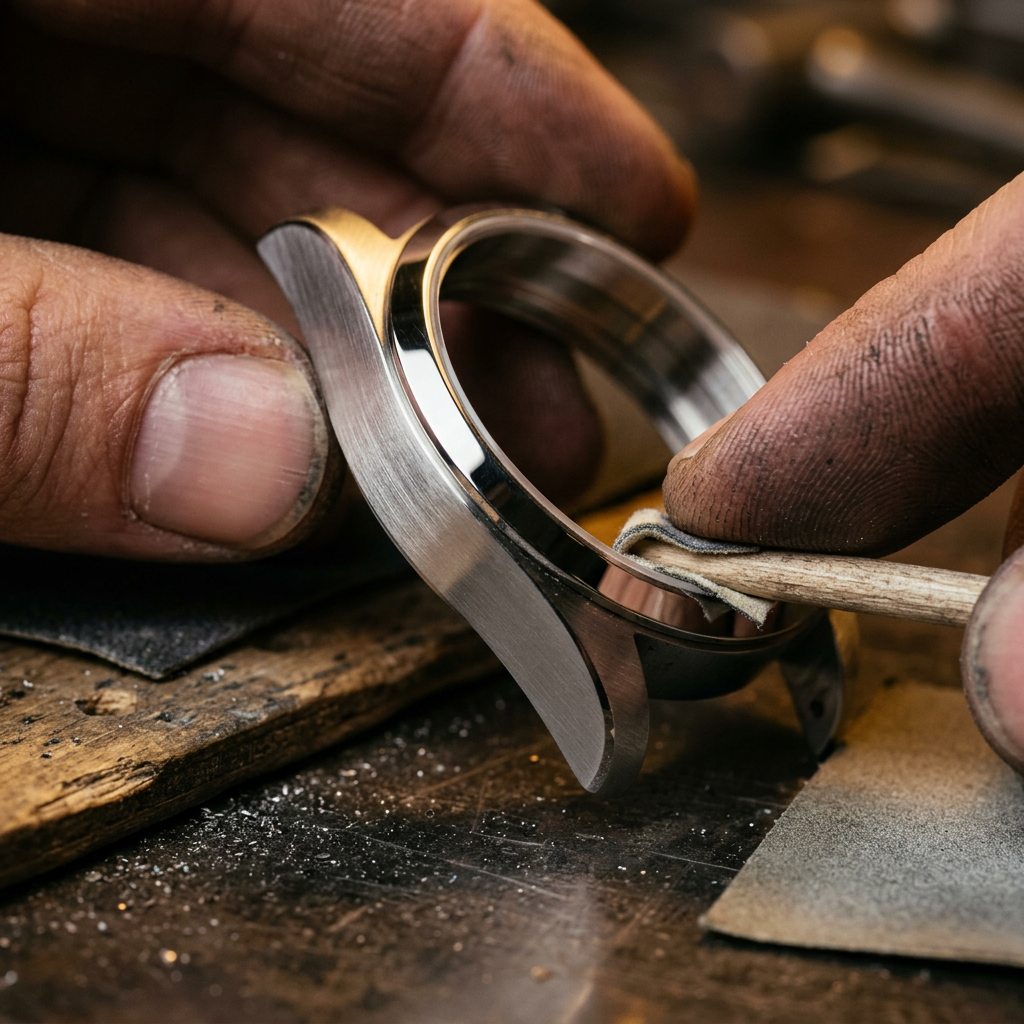
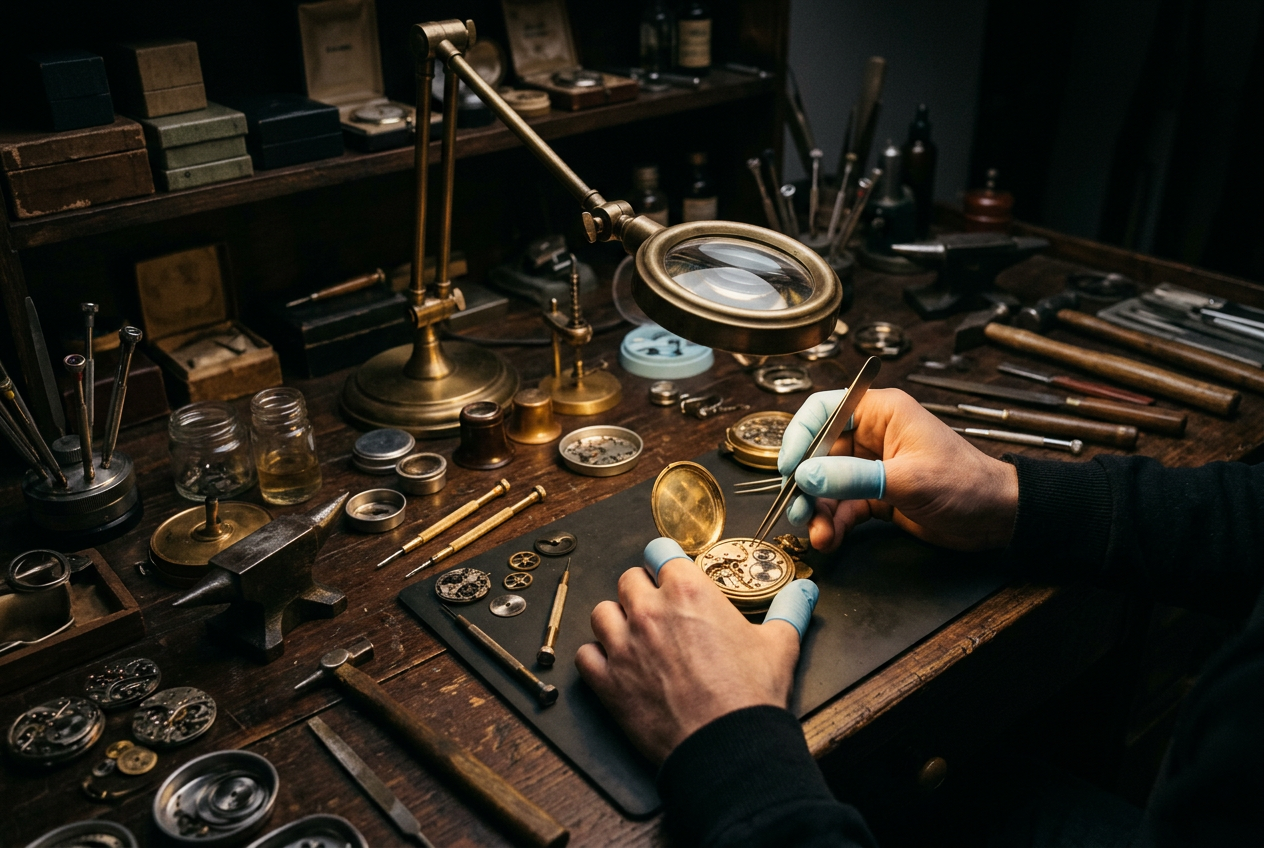
    Brushed and polished surfaces alternate by hand, so each edge catches light the way a stone moulding does. Every bevel, facet and engraved surface is inspected under magnification before assembly.

In the details

Small surfaces, precisely made

Layered dial
Layered dialTracery, indices and subdials sit on separate planes, which gives the dial depth and shadow.
Eight-screw bezel
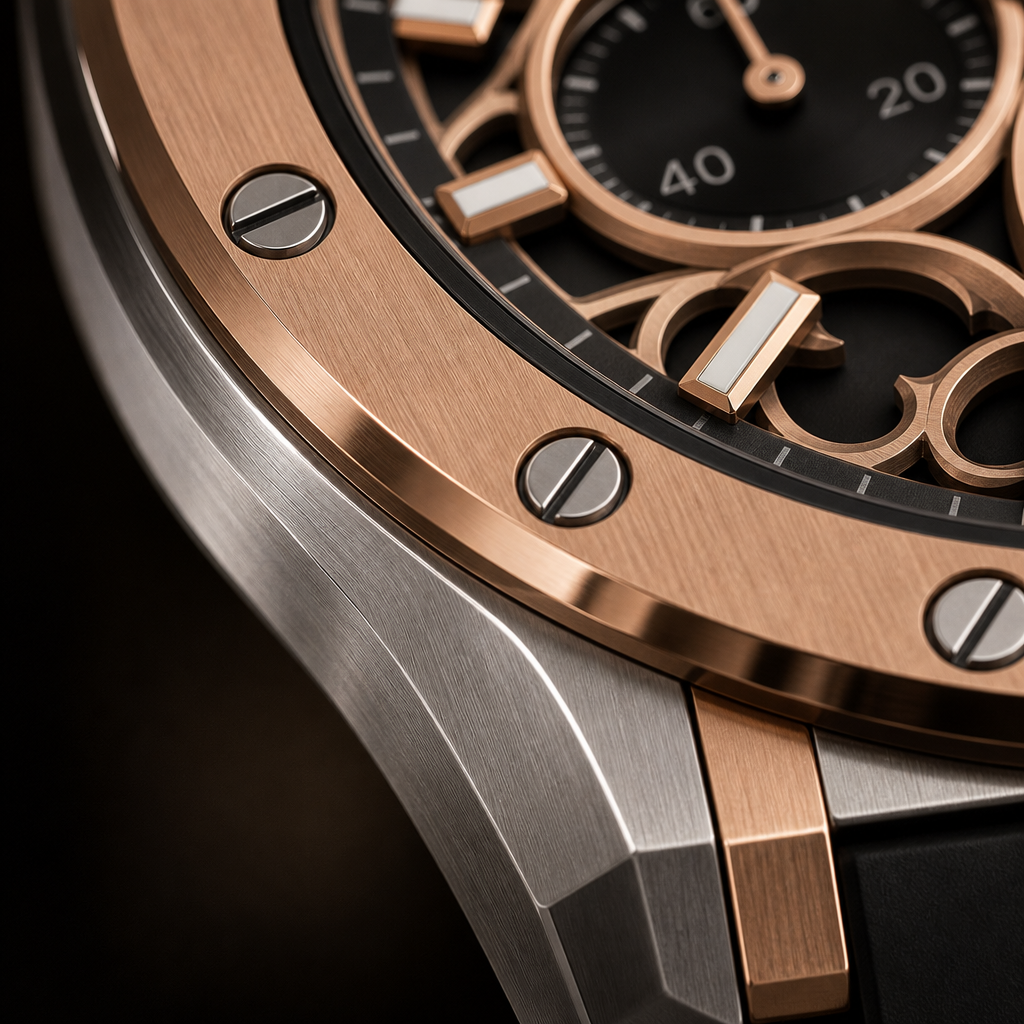
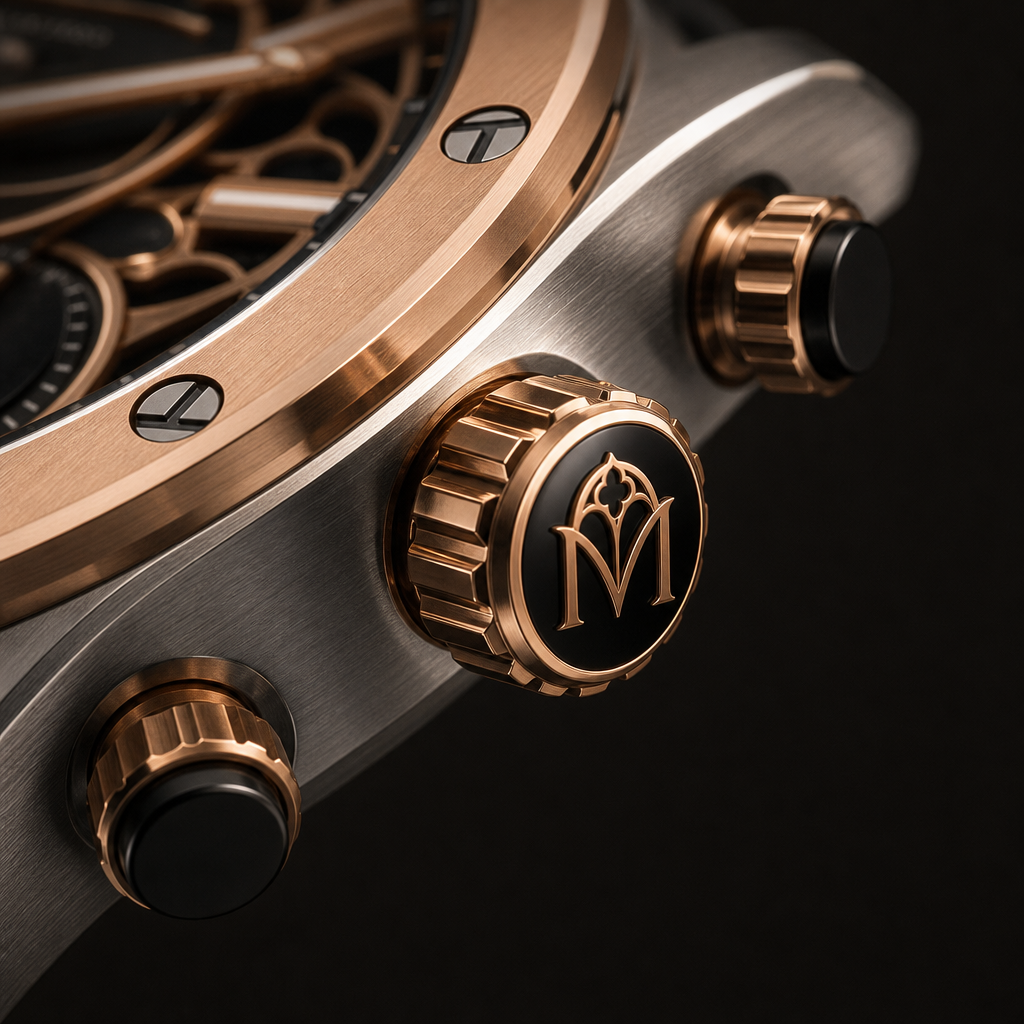
Eight-screw bezelEight screws, evenly spaced and individually aligned, hold the bezel in place like structural rivets.
Signed crown
Signed crownThe crown is engraved with the maison monogram and sized so it is easy to grip and wind.
Rose window caseback
Rose window casebackThe caseback carries a rose window motif, framed by the same tracery as the dial.